
Pest Control Dubai: Science-Backed Strategies for a Pest-Free Property
Living in the dynamic emirate means facing unique challenges: high temperatures, humidity, and constant urban activity create ideal conditions for unwanted invaders. Professional pest control Dubai is not a luxury—it is a necessity for safeguarding health, property value, and regulatory compliance. For certified, DM-approved solutions, trust pest control Dubai specialists who combine modern Integrated Pest Management with local expertise.
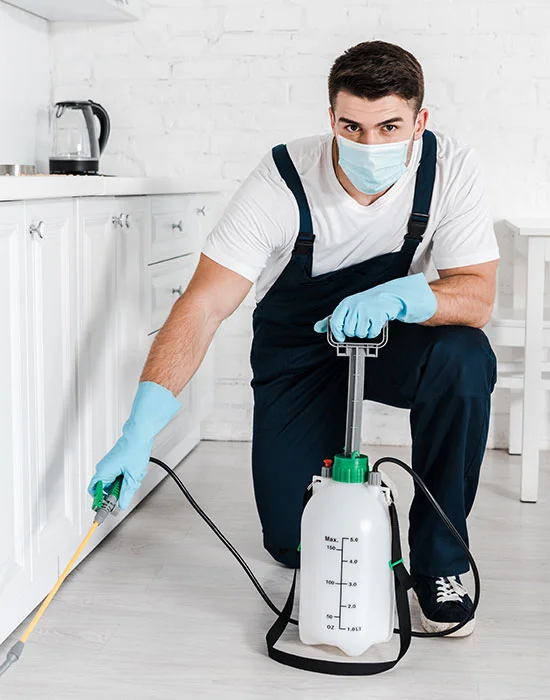
Dubai’s continuous construction, international trade, and year‑round warm weather mean pests never truly enter a dormant phase. From cockroaches in luxury apartments to termites in villa foundations, the risks are real. This guide dives deep into the region’s most common pests, health hazards, and the strict Dubai Municipality regulations that shape modern pest management. We also explain how to identify a truly licensed provider and what to expect from a professional treatment plan.
Why Dubai’s Ecosystem Demands Specialized Pest Control
Unlike cooler climates where winter provides natural suppression, Dubai experiences mild winters and intensely humid summers. The combination of landscaped communities, shared drainage systems in high‑rises, and sprawling food storage facilities at Jebel Ali Port fuels pest reproduction year‑round. Furthermore, the influx of imported goods via shipping containers occasionally introduces foreign insect species. Therefore, generic “spray and forget” methods fail; you need targeted pest control Dubai that understands local behavior patterns.
Most Prevalent Pests in the UAE (And Their Threats)
Before investing in any treatment, it’s vital to recognize which pests are invading your space. Here are the top offenders that professional pest control Dubai teams encounter daily:
- German & American cockroaches: Spread Salmonella, trigger asthma, and breed inside wall voids and sewers.
- Pharaoh ants & carpenter ants: Pharaoh ants carry pathogenic bacteria; carpenter ants damage wooden structures.
- Norway rats & roof rats: Gnaw wires (fire risk), contaminate food, and compromise insulation.
- Bed bugs: Dubai’s high tourism volume leads to recurring bed bug introductions; they resist over‑the‑counter sprays.
- Subterranean termites: Cause millions in structural damage, often unnoticed until major harm occurs.
- Stored product pests (weevils, moths): Infest rice, flour, and spices in warehouses and pantries.
- Mosquitoes & drain flies: Breed in stagnant water from irrigation or AC drips; vectors for diseases.
Health, Safety & Regulatory Standards (Dubai Municipality)
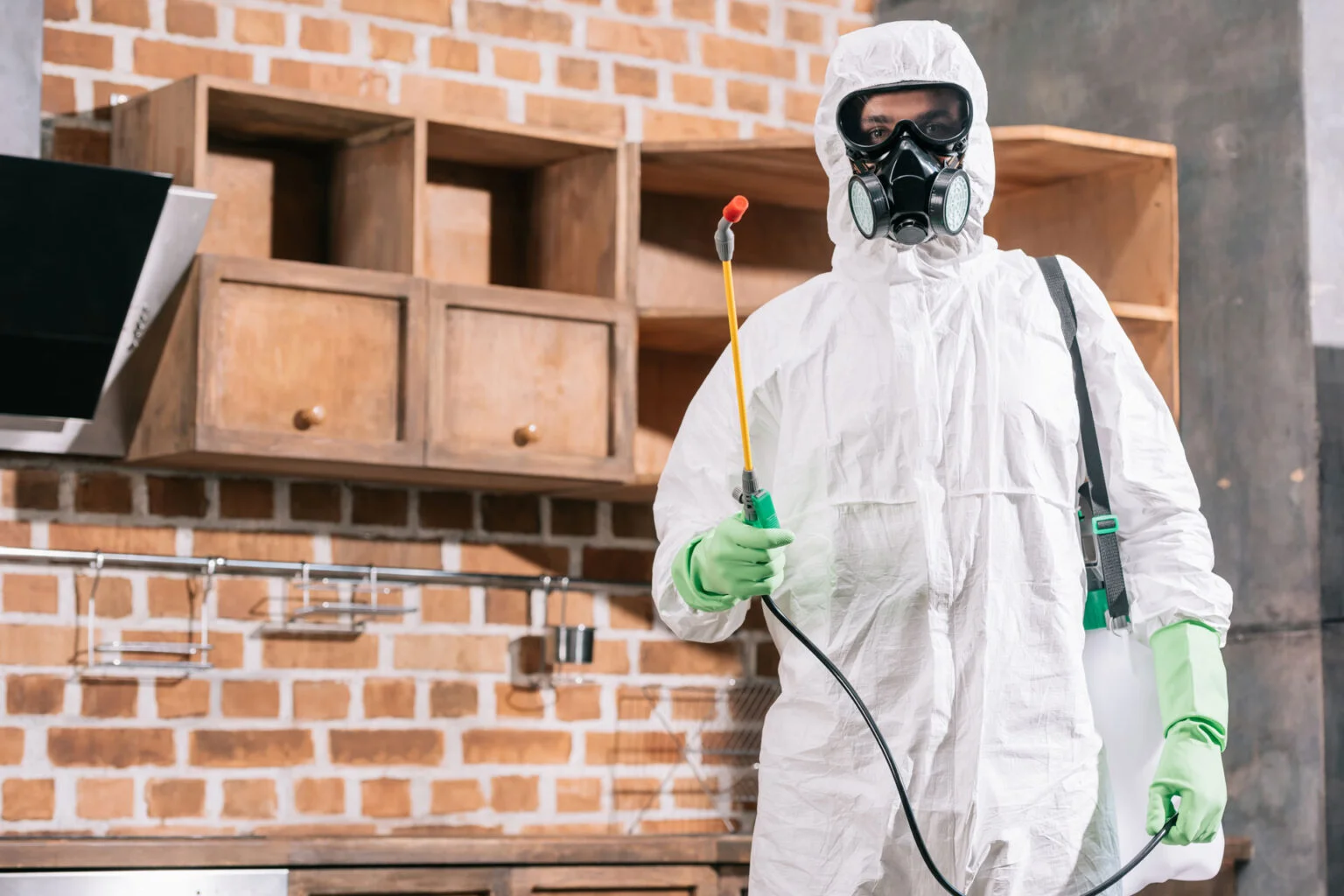
Dubai Municipality (DM) strictly enforces pest control regulations under Local Order No. 11 of 2003. All companies must hold a valid DM license, and every technician must carry a personal pesticide applicator card. Additionally, only DM‑registered pesticides may be used—any breach leads to heavy fines or business closure. For homeowners, this means verifying the company’s credentials before signing a contract. A reputable pest control Dubai provider will always present their DM license number and safety data sheets on request. Moreover, commercial entities (restaurants, hotels, healthcare) are subject to surprise inspections; non‑compliance risks immediate shutdowns.
Integrated Pest Management (IPM): The Gold Standard
Modern pest control has moved away from indiscriminate fogging. Instead, IPM employs a four‑pillar approach: Inspection, Prevention, Targeted Treatment, and Monitoring. Here’s how expert pest control Dubai teams apply IPM in real‑world scenarios:
1. Thorough Inspection & Digital Monitoring
Technicians use moisture meters, borescopes, and sticky traps to identify pest species, entry points, and harborage zones. They document active infestations and conducive conditions (e.g., leaking pipes, gaps around conduits).
2. Exclusion & Sanitation Guidance
Sealing cracks with stainless steel wool, installing door sweeps, repairing dripping faucets, and advising on waste management—these non‑chemical steps are essential for long‑term success. Without exclusion, any chemical treatment provides only temporary relief.
3. Targeted Low‑Toxicity Treatments
Instead of blanket spraying, professionals deploy gel baits (for cockroaches), insect growth regulators, non‑repellent liquid termiticides, and heat treatments for bed bugs. These methods maximize efficacy while minimizing human and pet exposure.
4. Follow‑up & Documentation
After the initial service, monitors remain in place. A follow‑up visit (7–14 days later) evaluates population reduction, and the company provides a detailed DM‑compliant report.
Choosing a Licensed Pest Control Dubai Provider: Practical Checklist
With dozens of companies advertising online, making an informed choice protects your investment and safety. Use these five criteria:
- DM license & insurance: Request the trade license number and verify it with Dubai Municipality’s database.
- Technician certification: Ask for copies of their DM pesticide applicator cards.
- Written IPM plan: Avoid verbal quotes; insist on a detailed scope of work.
- Safety data sheets (SDS): Provided before any product application.
- Guarantee & warranty: Reputable companies offer a minimum 30‑day re‑treatment guarantee.
Steer clear of providers offering “one‑time fogging for 99 AED” without inspection—these unlicensed operators often use counterfeit, hazardous chemicals that endanger your family.
Residential vs. Commercial Pest Control in Dubai
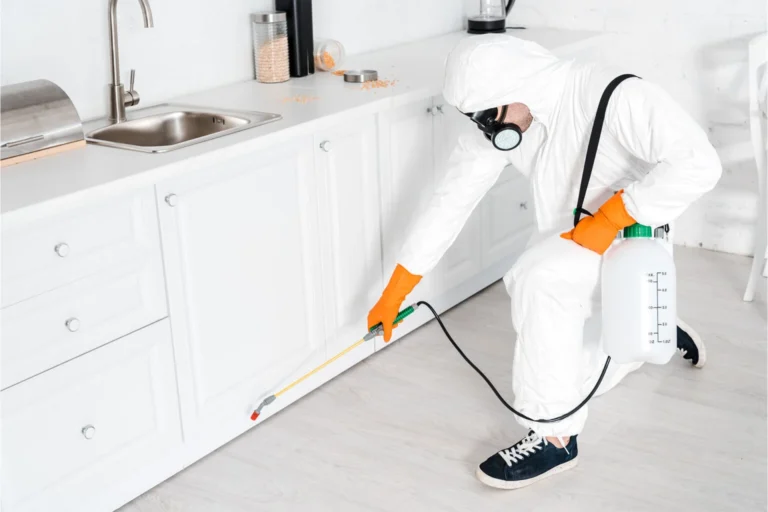
While the principles of IPM remain the same, service frequency and protocols differ. For residential properties (villas and apartments), quarterly maintenance plans are typical, covering ant baiting, cockroach gel renewal, and rodent station checks. Bed bug heat treatments are available on demand. For commercial sectors—restaurants, hotels, warehouses—Dubai Municipality often mandates monthly or even weekly visits. Food outlets require digital monitoring traps and immediate reporting. Healthcare facilities follow ultra‑low toxicity protocols, while logistics centers need pheromone traps for stored product pests and fumigation for container‑borne infestations.
For broader context on urban pest ecology, you can refer to Urban pest management on Wikipedia — a reliable overview of global strategies that complement local Dubai practices.
What to Do Before and After a Pest Control Visit
Maximizing treatment effectiveness requires proper preparation. Before the technician arrives, clear clutter from under sinks and storage areas, vacuum carpets, store all food in sealed containers, and inform the provider about any pets or allergic occupants. After treatment, avoid mopping baseboards for at least 7 days (to preserve residual products), seal any new cracks, and maintain a log of pest sightings. Professional pest control Dubai providers will give you a written re‑entry timeline—usually 2 to 4 hours for most gel and liquid applications.
Cost Expectations & Long‑Term Value
Pricing in Dubai depends on property size, pest type, and infestation severity. Typical one‑time cockroach treatment for a 2‑bedroom apartment ranges from AED 300–600. An annual termite bond for a villa costs AED 1,500–3,000. Bed bug heat treatment per room: AED 1,200–2,500. Commercial quarterly plans start at AED 400–800 per visit for small cafés. While initial costs may seem higher than unlicensed alternatives, professional IPM saves you from property damage, health bills, and regulatory fines. Always treat prevention as an investment.
Final Thoughts: Sustainable Protection in a Desert Metropolis
Dubai’s unique blend of climate, infrastructure, and global connectivity means pests never take a holiday. However, with science‑backed integrated pest management and strict adherence to Dubai Municipality standards, you can maintain a safe, pest‑free environment. Whether you’re a homeowner, facility manager, or restaurateur, partnering with a licensed pest control Dubai specialist ensures long‑term peace of mind. Don’t wait until a small ant trail becomes a full structural infestation—schedule an inspection today and take control of your property’s health.
© 2026 Professional guide — All rights reserved. This information is for educational purposes and does not replace direct professional advice. Always consult a Dubai Municipality licensed pest control operator for your specific situation.